
Piqué, Bird's-Eye and Mesh: The Anatomy of Breathable Polyester Knits
Polyester does not absorb moisture; coolness comes from structure. How knit-tuck cells and deliberate holes open air channels — from piqué to open net and 3D spacer mesh.
Polyester does not absorb moisture; coolness and dryness come largely from structure. Knit-tuck cells and deliberate holes open air channels. Piqué, bird's-eye mesh and net are the increasingly 'open' members of one family.
From closed texture to open net
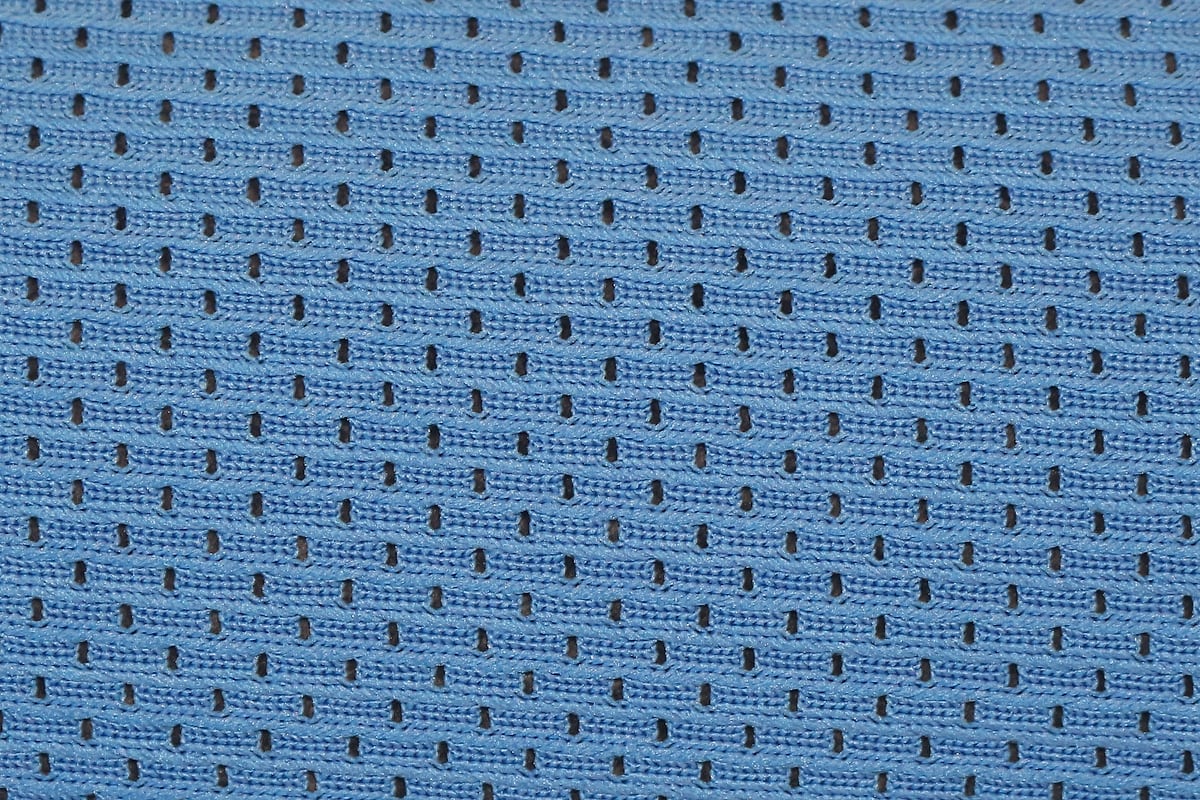
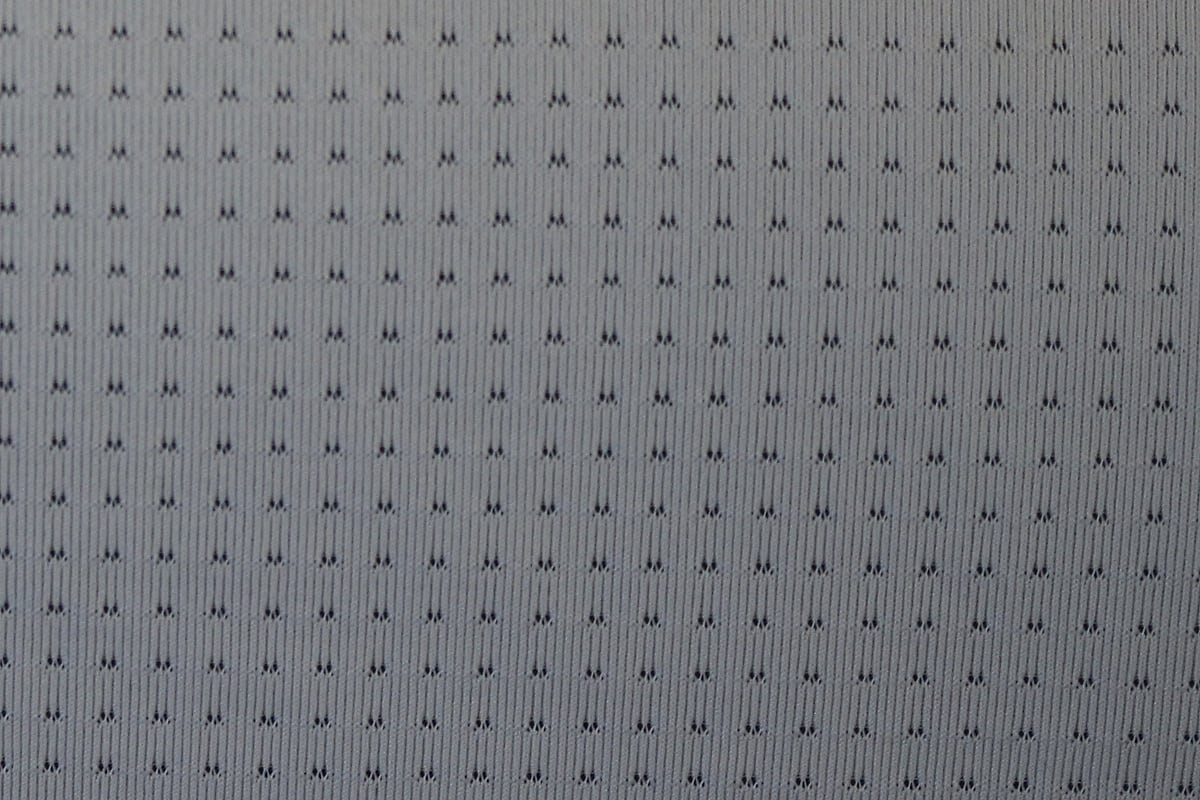
In piqué, raised honeycomb cells open tiny channels but the cloth stays covering. Bird's-eye (mock) mesh gives a clearer pore through knit-tuck dots. Breathable micro mesh is fine, densely holed and almost sheer (lining). Sports net is the most open, coolest but least covering. Spacer mesh joins two faces with vertical monofilament yarns to form a breathable cushioning.
| Structure | Typical g/m² | Hole / pore | Coverage |
|---|---|---|---|
| Piqué | 170–240 | Raised cell (closed) | High |
| Mini piqué | 165–200 | Fine, dense cell | High-medium |
| Bird's-eye mesh | 135–200 | Small pore | Medium |
| Jacquard mesh | 150–250 | Patterned pore | Variable |
| Breathable micro mesh | 80–130 | Very small, dense | Low (lining) |
| Sports net | 110–160 | Large hole | Low |
| Spacer mesh (3D) | 220–350 | 3D sandwich | High (cushioned) |
Is piqué the same as mesh?
No. Piqué forms a textured surface with knit-tuck but is not 'holed'; mesh/net carries deliberate openings for air. Both serve the same performance goal — moisture management and coolness — but differ in coverage and suitability as an outer fabric.
For the buyer
- Visible outer fabric + coolness → bird's-eye mesh or light piqué.
- Maximum airflow (jersey/panel) → sports net (with a lining if needed).
- Lining / inner panel → fine breathable mesh.
- Cushioned, structural panel → spacer (3D) mesh.