Polyester knits · 10 families · 80–400 g/m²weight and hand

Tell us what you make; we’ll read the weight.

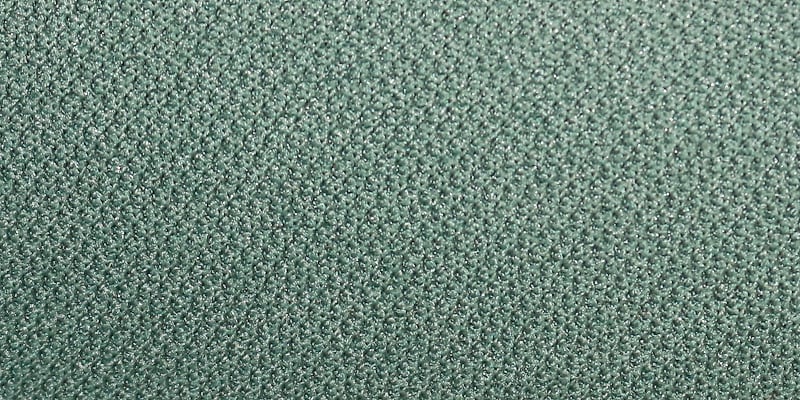
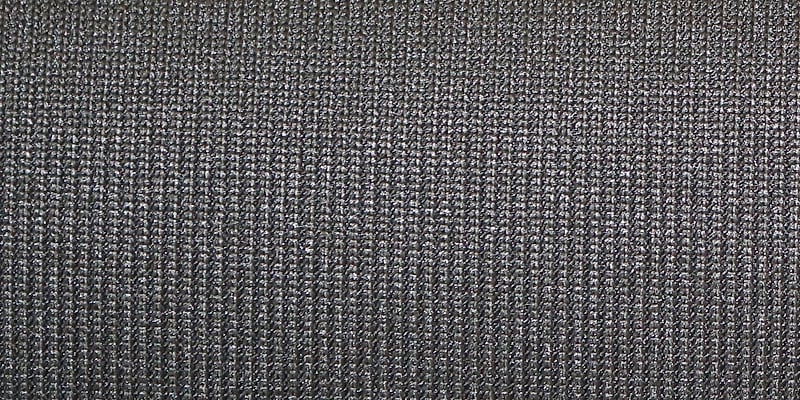
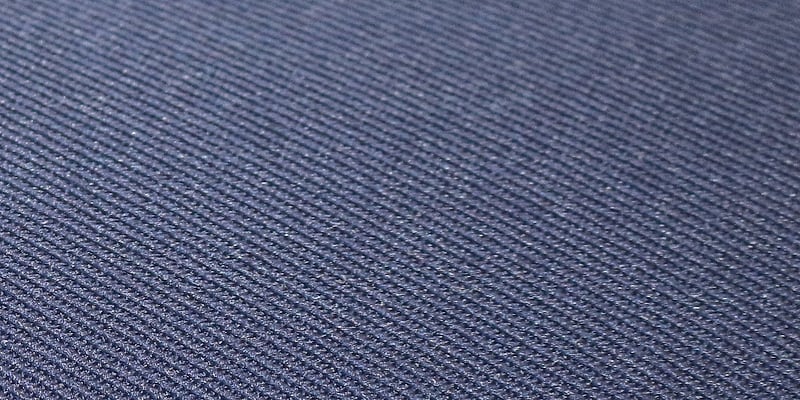
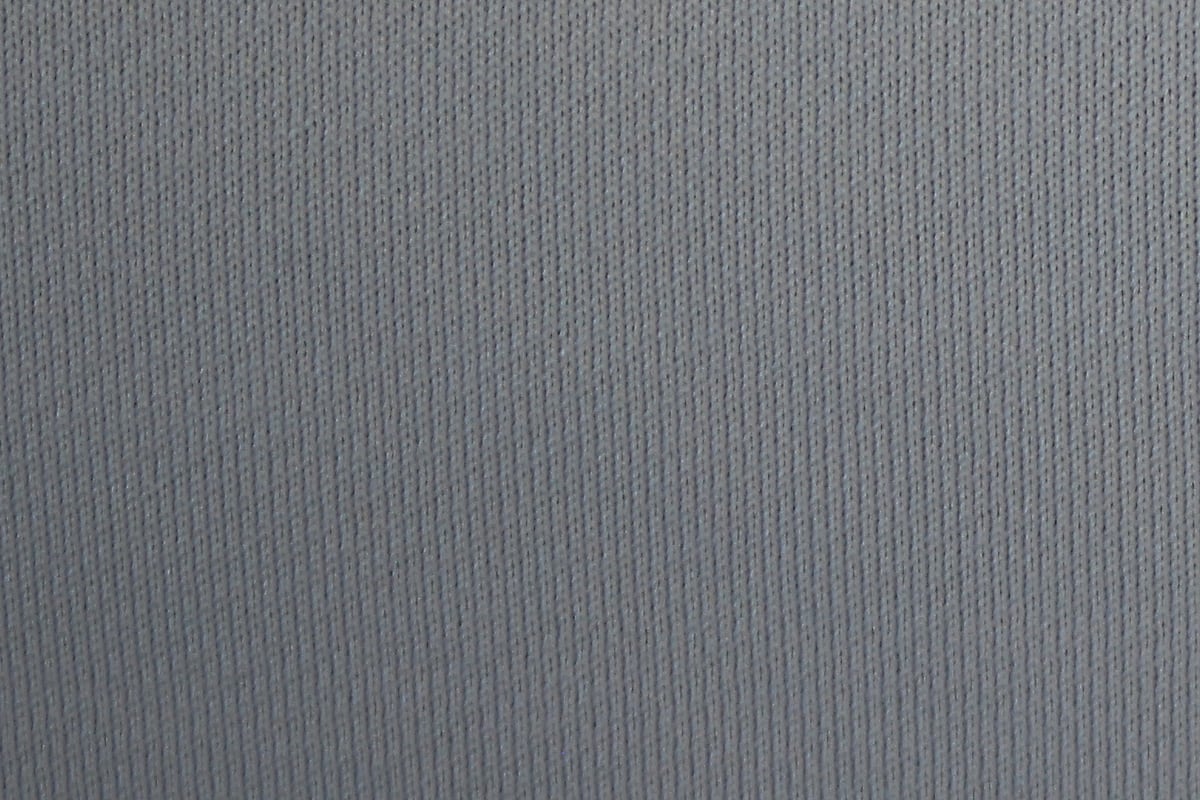
From T-shirts to winter outerwear, sports jerseys to structured dresses — we’ve laid our ten polyester knit families and 39 fabrics on a single weight axis. Read it off the gauge: see exactly which weight goes into which product.

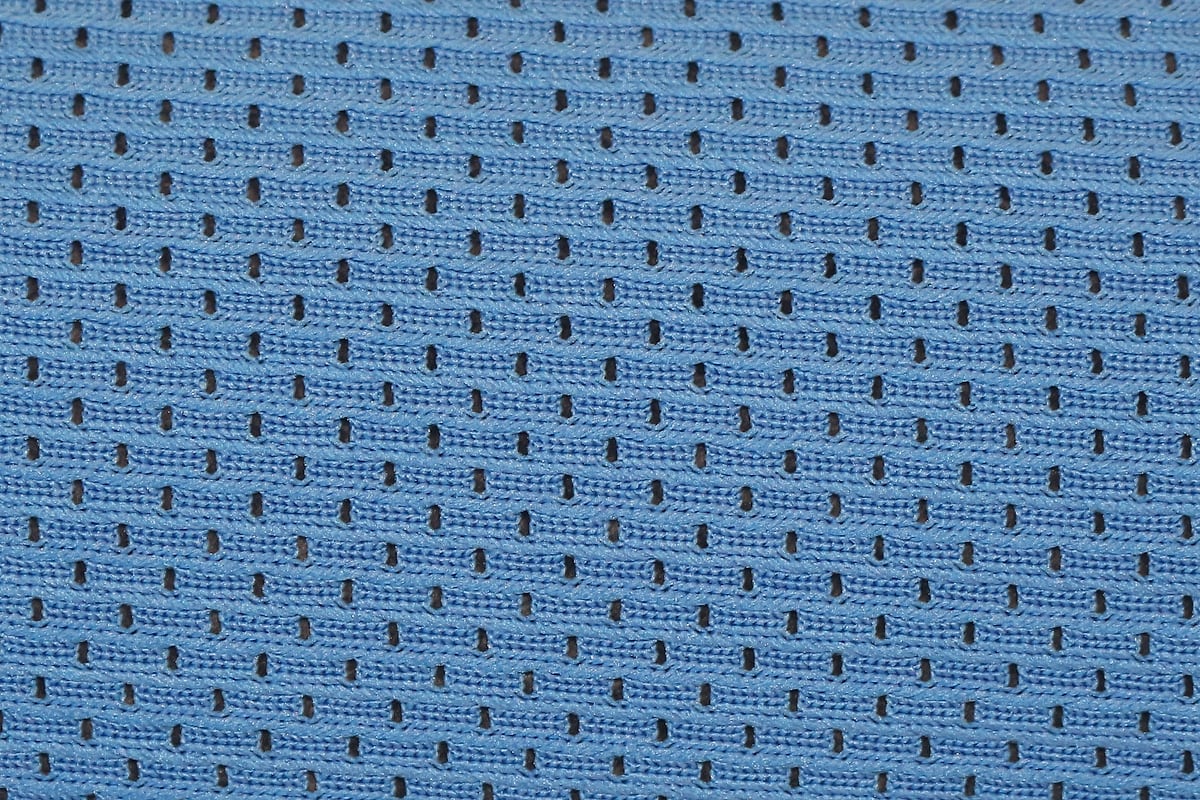
10 polyester knit families across 80–400 g/m²: mesh/net 80–350 (jerseys, lining, spacer); performance/technical 85–250 (dry-fit, microfiber, jersey); single jersey 120–330 (tees, innerwear, French terry); rib 160–300 (collars, cuffs, trims); piqué 165–260 (polos, golf); interlock 170–360 (jerseys, polos, ponte); two-thread French terry 180–360 (sweatshirts, hoodies); three-thread fleece 280–420 (winter sweats); fleece 100–400 (winter outerwear, lining); raschel/warp knit 60–260 (tulle, net, power-net). The catalogue below lists each of the 10 families’ 39 fabrics.

Capacity & scale

1982
Established
750 tons
Monthly output
48,000 m²
Çorlu facility
24/7
Quality control
The weight spectrum

Light to heavy, on one axis.

Each fabric sits within its own g/m² range. Weight is tuned to your request.

10 families · 39 fabrics

We tell you what it does — and what it doesn’t.

Single Jersey

Single jersey
3 fabrics

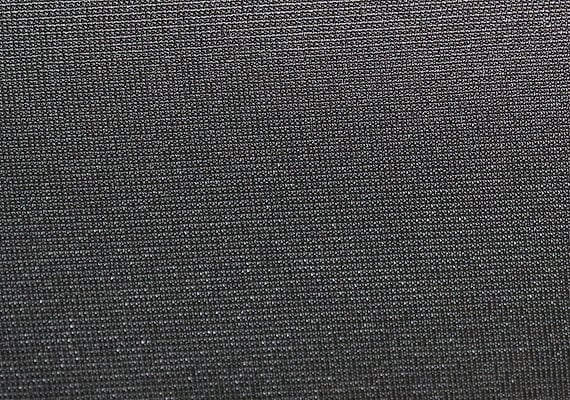
The most basic single-face knit family, made on single-bed circular machines: a flat knit face and a loop-back reverse. Polyester single jersey is a light, fast-drying, moisture-transporting base; the same structure gains weight and stretch through its elastane (with-spandex) and loop-back (French terry) derivatives.

Polyester Single Jersey

Single jersey

120200 g/m²

  • Mechanical stretch
Composition
100% polyester (PES); combed/ring yarn by quality, recycled (rPET) version available.
Knit
Single-feed, single-bed circular knit; a flat face and a loop-back reverse.
Hand
Light, fine and fluid; smooth face, lightly textured back; soft, low stretch.
Use
T-shirts · innerwear · jerseys
Strength
The economical single-face base — light, fast-drying and the best surface for sublimation.
Watch for
Single-face edges curl; opacity is weak at low weights.
Highlights
  • Light and breathable
  • Dries fast, holds no surface moisture
  • Good dimensional stability, low creasing
  • Excellent for sublimation print

Polyester Single Jersey with Elastane

Single jersey + elastane

160250 g/m²

  • 2-way stretch
  • With elastane
Composition
~92–95% polyester / 5–8% elastane (spandex); commonly 95/5 and 92/8.
Knit
Elastane plated with the body yarn on the single-jersey base; gives 2-way weft stretch.
Hand
Fuller and more recovering than plain jersey; body-skimming, soft, elastic.
Use
Activewear · fitted tees · sports innerwear
Strength
The stretch single-face base for fitted pieces that must move and snap back.
Watch for
A single elastane end is usually 2-way (not 4-way); excess heat/chlorine fatigues elastane.
Highlights
  • High weft stretch and recovery
  • Body-skimming, free movement
  • PES base: dries fast
  • High stretch even at low weight

Polyester French Terry (single-jersey base)

French terry (loop-back)

200330 g/m²

  • Mechanical stretch
Composition
100% polyester; a fine ground yarn plus an ~2× thicker loop yarn.
Knit
A two-thread loop-back built on a jersey base; flat face, uncut terry loops on the reverse.
Hand
Full, soft and warm; flat face, looped back; clearly heavier than single jersey.
Use
Sweatshirts · hoodies · joggers
Strength
Soft loop-backed, bodied and warm — the mid-heavy base for sweats and hoodies.
Watch for
Back loops are uncut (not napped like fleece); heavy weights aren’t for hot climates. Same structure as the French Terry family.
Highlights
  • Fuller, warmer and more opaque than jersey
  • Terry-loop texture on the back
  • PES base: dries fast
  • Soft sweatshirt hand even unbrushed

Same structure: French Terry family

Piqué

Piqué
4 fabrics

A knit family whose surface carries a honeycomb / bird’s-eye relief formed by combining knit and tuck stitches. The raised cells open air channels, which makes piqué the classic choice for polo shirts and light sportswear. Polyester versions stand out for moisture management, shape retention and sublimation suitability; cell size (standard/mini), elastane and jacquard variants diversify the family.

Polyester Piqué

Piqué

170240 g/m²

  • Mechanical stretch
Composition
100% polyester (typical); microfilament yarn for sublimation lustre.
Knit
Knit + tuck honeycomb (bird’s-eye) cells on a single-jersey or interlock base.
Hand
Textured, grainy; cooler than cotton piqué, medium body, holds a structured shape.
Use
Polo shirts · corporate/promo · golf tops
Strength
The classic polo cloth — shape-holding, fast-drying and very print-friendly.
Watch for
Less breathable than cotton piqué; sensitive to direct heat.
Highlights
  • Honeycomb cells form air channels
  • Good wicking, fast drying
  • Holds shape through washing
  • Sublimation-friendly

Polyester Piqué with Elastane

Piqué + elastane

180240 g/m²

  • 2-way stretch
  • With elastane
Composition
~94–96% polyester / 4–6% elastane (spandex); most commonly ~5%.
Knit
Elastane fed into the piqué (knit+tuck) base; in most circular piqué it runs one way → 2-way stretch.
Hand
Textured surface but more elastic, body-skimming and soft; less bagging at collar/cuff.
Use
Stretch polos · slim-fit sport tops · training
Strength
A performance piqué that hugs the body and keeps its shape with stretch and recovery.
Watch for
Elastane suffers from high heat/chlorine/bleach; most qualities are 2-way (4-way needs special builds).
Highlights
  • Comfort stretch and good recovery
  • Less slackening at collar/cuff
  • Body-skimming, mobile
  • PES moisture management retained

Mini Piqué

Fine-gauge piqué

165200 g/m²

  • Mechanical stretch
Composition
100% polyester (typical); fine/microfilament yarn common in golf/sublimation.
Knit
Same knit+tuck logic as standard piqué, with a tighter tuck repeat and finer yarn/gauge for smaller, denser cells.
Hand
Finer, flatter and silkier than standard piqué; a more refined texture, a lighter, cooler hand.
Use
Light/premium polos · golf-tennis tops · summer sport
Strength
A more refined, lighter piqué with a fine cell texture — ideal for summer polos.
Watch for
Lighter, so it sits less structured/opaque; can be semi-sheer at very low weights.
Highlights
  • Fine, refined, smoother surface
  • Light and cool; suits summer
  • Fast drying
  • Crisper print detail

Jacquard Piqué

Jacquard piqué

180260 g/m²

  • Mechanical stretch
  • Jacquard
Composition
100% polyester; a ~95/5 elastane variant exists for patterned stretch qualities.
Knit
A jacquard mechanism selects needles to the pattern; colour/relief motifs are knitted directly into the piqué base.
Hand
A pattern over the raised piqué ground; fuller, more structured, locally denser by motif.
Use
Patterned/collection polos · club jerseys · premium uniforms
Strength
Knits the motif into the cloth for a print-free, structured look.
Watch for
Long reverse floats in multi-colour patterns can snag; slower and costlier to produce than plain piqué.
Highlights
  • Pattern is knitted-in (not printed), structural
  • Structured, full hand
  • Motif areas add decorative depth
  • PES base’s moisture management/durability

Rib

Rib
3 fabrics

A knit family made on opposed needles that forms pronounced vertical channels (ribs) on both faces. The structure gives strong crosswise stretch and natural recovery, which is why it is chosen for collars, cuffs, waistbands and other body-hugging zones. The family includes plain rib, elastane-boosted rib and a smooth-faced double-knit (interlock) variant.

Polyester Rib Knit (1x1 / 2x2)

Rib (1x1 / 2x2)

160300 g/m²

  • Mechanical stretch
Composition
100% polyester (elastane-free); stretch comes from the structure.
Knit
A 1x1 or 2x2 rib produced on opposed needle rows; pronounced vertical channels on both faces, a reversible double-face fabric.
Hand
Clear vertical channels, full and springy; compresses and opens crosswise, self-recovering; edges don’t curl.
Use
Collar/cuff/waistband trims · hem & cuff ribbing · ribbed tops
Strength
A non-curling channelled structure that hugs the body with high crosswise stretch and natural recovery.
Watch for
Without elastane, heavy weights can slacken over repeated stretching; lengthwise stretch is low.
Highlights
  • Strong crosswise stretch, limited lengthwise
  • Good natural recovery even without elastane
  • Edges don’t curl, double-faced
  • PES: durable, fast-drying

Polyester Rib Knit with Elastane

Rib + elastane

190300 g/m²

  • 2-way stretch
  • With elastane
Composition
Polyester + elastane (spandex); typically 5–10% elastane (commonly 6–7%), the rest polyester.
Knit
A 1x1/2x2 rib knitted with elastane; it adds recovery and durable stretch to the rib’s natural crosswise give.
Hand
More elastic than plain rib, hugging the body, springy; the channel texture is retained.
Use
High-turn cuffs/collars/waistbands · fitted bodies/blouses · sport trims
Strength
Elastane strengthens the rib’s crosswise stretch and markedly improves shape retention.
Watch for
Elastane is sensitive to heat and long-term laundering; elasticity can fade over time at high temperatures.
Highlights
  • Crosswise stretch + strong recovery
  • Hugs the body, holds its fit
  • Edges don’t curl, double-faced
  • Better shape retention than plain rib

Interlock (smooth double-knit)

Interlock (smooth double-knit)

180300 g/m²

  • Mechanical stretch
  • Double-faced
Composition
100% polyester (common); elastane-free — stretch comes from the structure.
Knit
A double-knit where two 1x1 ribs interlock on opposed needles; identical, smooth faces; edges don’t curl.
Hand
Both faces identical, even and smooth; fuller, more stable and more draping than rib.
Use
Innerwear · smooth tees/tops · outer-layer linings
Strength
A double-knit giving high dimensional stability, even twin faces and better recovery than plain rib.
Watch for
Stretches notably less than rib; it is a smooth-faced double-knit (not ribbed) and is less suited to tight binding than rib. Same structure as the Interlock family.
Highlights
  • Double-knit, identical faces
  • High dimensional stability
  • Low lengthwise / moderate crosswise stretch
  • Doubled mass → more bodied and warm

Same structure: Interlock family

Interlock

Interlock
3 fabrics

A double-face knit family made on double-bed machines, where two rib structures interlock on opposed/offset needles. The faces are identical, smooth and non-curling; tighter, more opaque and more stable than single jersey. The family covers plain interlock, elastane (stretch) interlock and a heavier Ponte di Roma double-knit.

Polyester Interlock

Interlock (double-knit)

170260 g/m²

  • Mechanical stretch
  • Double-faced
Composition
100% polyester (e.g. 75D/72f textured filament yarn); rPET common, elastane-free.
Knit
A stable double-face knit where cylinder and dial needles interlock two ribs on a double-bed machine.
Hand
Smooth, dry, even; fuller and less draping than single jersey, bodied; semi-matte.
Use
Promo/team tees (sublimation) · performance tops · polos
Strength
A non-curling, double-faced, opaque and stable base — easy to print and sew.
Watch for
Without elastane, stretch/recovery is limited; the drape is stiffer than single jersey.
Highlights
  • Double-faced: identical faces
  • More stable than jersey, no curling
  • High opacity and abrasion resistance
  • Flat face suited to sublimation

Polyester Stretch Interlock with Elastane

Stretch interlock + elastane

180300 g/m²

  • 4-way stretch
  • With elastane
  • Double-faced
Composition
Polyester base + elastane; typically 5–12% (from comfort to high recovery). Higher levels belong to warp-knit power nets, not interlock.
Knit
Elastane fed/covered into the interlock double-knit; multi-direction stretch while keeping the stable twin faces.
Hand
Soft, fluid and elastic; body-hugging, snaps back when stretched; semi-matte smooth.
Use
Leggings · sports bras/bodysuits · yoga/performance tops
Strength
Strong multi-direction stretch and shape retention via elastane — ideal where compression is needed.
Watch for
Elasticity can fade with heat/chlorine over time; can sheer when stretched at low weights.
Highlights
  • Multi-direction stretch and good snap-back
  • Body-hugging fit and compression support
  • Usually opaque at higher weights (knit/finish dependent)
  • PES: moisture management, fast drying

Ponte di Roma (Punto di Roma) Double Knit

Ponte di Roma double knit

270360 g/m²

  • 2-way stretch
  • Double-faced
Composition
Polyester-led; most qualities carry ~3–8% elastane. Market ponte is often rayon/poly-elastane; this file takes a polyester+elastane base.
Knit
A single, thick, stable double-face fabric knit on a double bed with a knit + tuck/miss repeat (Ponte / Punto di Roma); carries a subtle horizontal rib — not two layers bonded together.
Hand
Full, bodied and firm; both faces smooth and identical; thicker than standard interlock, holds its shape better.
Use
Structured dresses/skirts/jackets · bodied trousers · winter tops
Strength
A thick, stable, shape-holding double-face body — a strong base for structured, opaque pieces.
Watch for
Heavy, warm and low-drape due to weight; not for light summer pieces. (Technically a sibling double-knit, not true interlock.)
Highlights
  • Thick, bodied, stable structure
  • Both faces smooth, crease-resistant
  • Good dimensional stability and shape retention
  • Thickness-based thermal insulation

French Terry

French Terry
4 fabrics

Technically a loop-back knit: a fine ground yarn plus a thicker loop yarn; a flat face and an uncut-loop (terry) reverse. Heavier than single jersey, lighter than three-thread fleece — the classic cloth of sweatshirts, hoodies and joggers. Polyester versions add fast drying and stability, while brushing, elastane and melange yarn differentiate warmth, stretch and look.

Polyester French Terry

French terry (two-thread loop-back)

180330 g/m²

  • Mechanical stretch
Composition
100% polyester (fine ground + ~2× thicker loop yarn); cotton-PES is common in the market, pure/high-PES applies for a polyester specialist.
Knit
A loop-back knit on a single-bed machine: the ground yarn makes the flat face, the thick loop yarn the uncut loops on the reverse.
Hand
Flat, print-friendly face; soft, looped, lofty reverse; mid-full, lightly structured.
Use
Sweatshirts · hoodies · joggers · mid-season tops
Strength
Loop-back balances breathability with light warmth; polyester adds durability and fast drying.
Watch for
Pure-PES French terry is less common than cotton and can feel cooler/more synthetic; lacks cotton’s next-to-skin softness.
Highlights
  • Two distinct faces: flat + looped
  • PES: wicking and fast-drying
  • More stable and durable than jersey
  • Flat face suited to DTG/transfer print

Brushed (Fleece-Backed) Polyester French Terry

Brushed-back French terry

240360 g/m²

  • Mechanical stretch
  • Brushed
Composition
100% polyester; the thick loop yarn on the reverse is brushed/napped. Cotton-PES brushed terry is also common.
Knit
The reverse of a two-thread loop-back is brushed (raised); the loops open into a soft, fleece-like back.
Hand
Flat face; napped, soft, warm fleece-like back; fuller and loftier.
Use
Winter sweatshirts · brushed hoodies · fleece-backed joggers · loungewear
Strength
A brushed back delivers clear softness and warmth without adding much weight.
Watch for
The napped surface can flatten/pill over time; polyester pile may pill more visibly than cotton.
Highlights
  • Napped, warm, soft back
  • Insulates by trapping inner air
  • Loftier and softer than unbrushed
  • PES: durable, fast-drying

Polyester French Terry with Elastane

Stretch French terry + elastane

210320 g/m²

  • 2-way stretch
  • With elastane
Composition
~93–97% polyester / 3–7% elastane (spandex); most often ~95/5. Cotton-PES-elastane tri-blends also exist.
Knit
Elastane added to the loop-back knit (usually fed every course); ground, loop and elastane knit together.
Hand
Flat face / looped back; with elastane more elastic, body-hugging and recovering; good recovery.
Use
Active/slim sweats-hoodies · stretch joggers · athleisure
Strength
Elastane adds body-hugging stretch and shape retention to French terry — less bagging at knee/elbow.
Watch for
Elastane can degrade with heat/chlorine; wrong wash/dry reduces stretch; mostly 2-way.
Highlights
  • Elastane stretch and recovery
  • Body-hugging, shape-holding
  • PES: wicking, durable
  • Free movement (activewear)

Melange (Heather) Polyester French Terry

Melange (heather) French terry

180330 g/m²

  • Mechanical stretch
  • Melange
Composition
100% polyester melange yarn (a blend of differently coloured fibres → heathered); grey melange is most common. Cotton-PES melange also exists.
Knit
Same standard loop-back knit; the difference is in the yarn — knitted with melange (mixed-colour) yarn for a grainy/heathered surface colour.
Hand
Same hand as standard French terry; visually speckled/heathered, matte and natural.
Use
Melange sweatshirts · grey-melange hoodies · joggers · daily tops
Strength
Melange yarn gives a richer, grainier look than solid dye and disguises small stains/wear.
Watch for
Lot-to-lot tone consistency can be hard since colour comes from the yarn; it affects only the look, not warmth/durability.
Highlights
  • Speckled/heathered melange look
  • Hides small stains and wear better
  • Same performance as standard French terry
  • PES: wicking, durable

Three-thread Fleece

Three-thread fleece
4 fabrics

Made on single-bed machines by knitting three yarn systems together — ground, laid-in (fleece) and binder — producing a fuller, thicker, firmer family than two-thread terry. The face looks like single jersey; the back can be left unbrushed or napped (brushed). The core winter cloth of sweatshirts and joggers. Note: three-thread fleece is classically made in cotton/cotton-PES; this file takes Fersan’s polyester version.

Three-thread Fleece (polyester)

Three-thread fleece

280380 g/m²

  • No stretch
Composition
Polyester-led (ground + fleece + binder). Three-thread is classically cotton/cotton-PES (CVC); the 100% polyester version exists but is less common.
Knit
A three-thread knit using miss, tuck and knit on a single-bed machine; jersey face, with the fleece yarn anchored by the binder on the back.
Hand
Markedly thicker, fuller and firmer than two-thread; flat-matte face, heavy and structured drape.
Use
Sweatshirts · hoodies · jogger sets · winter basics
Strength
Warmer and fuller than two-thread — the bodied base of a heavy winter sweatshirt.
Watch for
100% PES three-thread is less common than cotton/blend; next-to-skin breathability/absorbency trails cotton, with possible static and odour retention.
Highlights
  • High insulation, thick body
  • PES: colourfastness, dimensional stability, low shrinkage
  • Tight knit → shape retention and durability
  • Moisture management improvable with the right yarn/finish

Brushed-back Three-thread Fleece

Brushed-back three-thread fleece

300400 g/m²

  • No stretch
  • Brushed
Composition
Polyester-led (ground + fleece + binder); the back is brushed. Cotton-PES versions are also common.
Knit
After knitting, the back fleece-yarn (third yarn) floats are raised by brushing; the jersey face is kept.
Hand
Plush, soft and warm back; matte, full face; thicker and softer than unbrushed.
Use
Winter hoodies/sweatshirts · heavy joggers · fleece-lined comfortwear
Strength
The brushed back delivers the most warmth and softness — the family’s warmest, plushest option.
Watch for
Brushing raises pilling and nap-loss risk over time; the napped back can lengthen drying time.
Highlights
  • Brushed back → more warmth
  • Soft, plush, matte
  • Full, bodied next-to-skin feel
  • PES: colourfastness, low shrinkage

Unbrushed Three-thread Fleece

Unbrushed three-thread fleece

280360 g/m²

  • No stretch
Composition
Polyester-led (ground + fleece + binder); the back is unbrushed (raw fleece-float texture).
Knit
The three-thread structure left unbrushed; jersey face, a flat napless fleece-float texture on the back.
Hand
Flat, napless back; drier and less plush than brushed, slightly lighter hand; matte-full face.
Use
Mid-season sweatshirts/hoodies · lighter joggers · spring-autumn daily
Strength
Its napless flat back gives low pilling and a clean inner look — balanced for mid-season.
Watch for
Being unbrushed it warms less; the back looks more bare and won’t match brushed plushness.
Highlights
  • Napless, clean inner look
  • Less nap than brushed → lower pilling
  • A weight suited to mid-season
  • PES: colourfastness, dimensional stability

Three-thread Fleece with Elastane

Three-thread fleece + elastane

300400 g/m²

  • 2-way stretch
  • With elastane
Composition
Polyester-led base + ~5% elastane (spandex), usually plated with the face/ground yarn. Elastane three-thread is relatively uncommon in the market.
Knit
An elastane (core-spun) yarn added to the three-thread knit; mostly 2-way comfort stretch (not 4-way).
Hand
Standard three-thread fullness plus comfort stretch; better body fit and recovery.
Use
Fitted joggers · shape-defined hoodies · athletic-leisure
Strength
Adds comfort stretch and recovery to three-thread warmth and fullness — a fitted, mobile shape.
Watch for
Elastane three-thread is relatively rare; usually 2-way; elastane can fatigue under high-heat care.
Highlights
  • Comfort stretch and shape recovery
  • Good body fit, crease-resistant
  • Keeps three-thread fullness/warmth
  • For sport/joggers needing movement

Mesh & Net

Mesh & Net
5 fabrics

A polyester family that delivers high air permeability through holes deliberately opened in the knit; it varies sharply by hole size, technique (knit-tuck, jacquard) and number of layers — a coarse sports net and a very fine air mesh are not the same thing. The polyester base adds moisture management, fast drying and colourfastness; stretch is mostly mechanical, with elastane needed for true recovery.

Sports Net / Eyelet Mesh

Sports net / eyelet mesh

110160 g/m²

  • Mechanical stretch
  • Mesh / open
Composition
100% polyester (mechanical give) or, for real stretch, a ~88–92% PES / 8–12% elastane variant.
Knit
An open net knit on a circular weft machine in a porous/eyelet pattern, forming clear, even holes.
Hand
Light, dry and airy; the holes are felt, loose-fluid drape, doesn’t cling.
Use
Football/basketball jerseys · sport shorts · vent panels
Strength
The benchmark for high-tempo sportswear needing maximum airflow and lightness.
Watch for
Large holes reduce coverage (a lining may be needed); big openings are prone to snagging/laddering.
Highlights
  • Very high air permeability
  • Hydrophobic PES: fast drying
  • Light, low heat retention
  • Colourfast, sublimation-ready

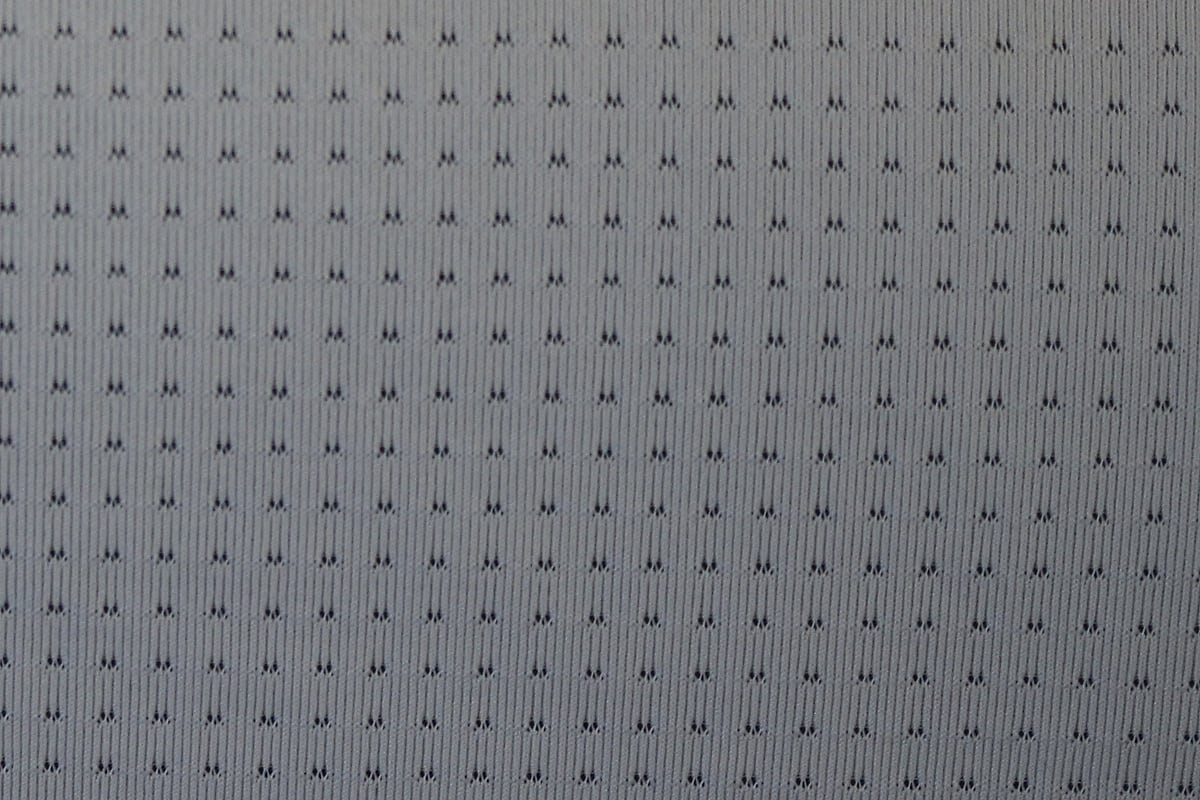
Bird’s-eye Mesh (mock mesh)

Bird’s-eye mesh (mock mesh)

135200 g/m²

  • Mechanical stretch
  • Mesh / open
Composition
100% polyester (typical); a ~90–92% PES / 8–10% elastane version exists for stretch.
Knit
A textured knit made on a circular weft machine with knit + tuck arrangements forming evenly spaced raised dots / small holes.
Hand
Lightly raised, grainy surface; fuller and more structured than sports net, still airy-dry.
Use
Performance polos/tees · team/corporate sport · training tops
Strength
The textured mesh that best balances air permeability with a clean, corporate look.
Watch for
Not as cool as full open net; the dot texture can show slight shading in deep colours.
Highlights
  • Dot structure opens channels → moisture/airflow
  • More opaque and structured than sports net
  • Good stretch/strength balance
  • Fast drying, flat areas for print

Breathable Micro Mesh (lining)

Breathable micro mesh (lining)

80130 g/m²

  • Mechanical stretch
  • Mesh / open
Composition
100% polyester or, for light stretch, ~90–95% PES / 5–10% elastane; mostly microfilament polyester.
Knit
A fine, dense, small-holed knit (circular weft or warp/tricot based) with much smaller pores than sports net.
Hand
Very light, fine and soft; almost sheer, fluid drape, a dry hand that lies soft on the skin.
Use
Lining (jacket/swim/short liners) · light summer jerseys · sports innerwear
Strength
High airflow at very low weight — the go-to light lining and panel mesh.
Watch for
Being fine/light, durability and coverage as a standalone outer are limited; delicate to snags.
Highlights
  • Denser/more covering than sports net
  • Very light weight
  • Good moisture management, fast drying
  • Ideal as lining and vent panel

Spacer (3D sandwich) Mesh

Spacer (3D sandwich) mesh

220350 g/m²

  • Mechanical stretch
  • Mesh / open
  • Double-faced
Composition
100% polyester (durable monofilament polyester in the core); some versions use PES/elastane on the faces.
Knit
A three-layer sandwich (spacer) where two knit faces are joined by vertically knitted monofilament polyester pile yarns; an air gap forms in the middle.
Hand
Thick, full and sponge-like/springy; firm-balanced, low-stretch, stands upright.
Use
Padded sport panels/outerwear details · shoe uppers/padding · backpack back panels
Strength
Breathable cushioning without foam — it unites structure, padding and airflow in one fabric.
Watch for
Heavy and bulky; low in-plane stretch — recovery comes mostly from compression/loft; not for thin, fluid-draping garments.
Highlights
  • Sponge-like cushioning and loft
  • Airflow between layers → superior breathability
  • Pressure distribution, impact damping
  • Dimensional stability, upright structure

Jacquard Mesh

Jacquard mesh

150250 g/m²

  • Mechanical stretch
  • Mesh / open
  • Jacquard
Composition
100% polyester or, for stretch, ~88–92% PES / 8–12% elastane.
Knit
A weft-jacquard knit forming patterned hole/texture areas (diamond, dot, logo) via knit-tuck combinations.
Hand
A raised, textured surface that varies by motif; more characterful than flat mesh, usually fuller.
Use
Branded/patterned jerseys · performance tops · body-mapping panels
Strength
Unites visual pattern and functional airflow in one knit — character without separate print or panels.
Watch for
Jacquard is more complex → higher cost and lead time; coverage/weight vary locally across patterned hole areas.
Highlights
  • Aesthetic pattern + functional airflow
  • Pattern areas change surface texture/density
  • Moisture management, fast drying
  • For zoned ventilation (body-mapping)

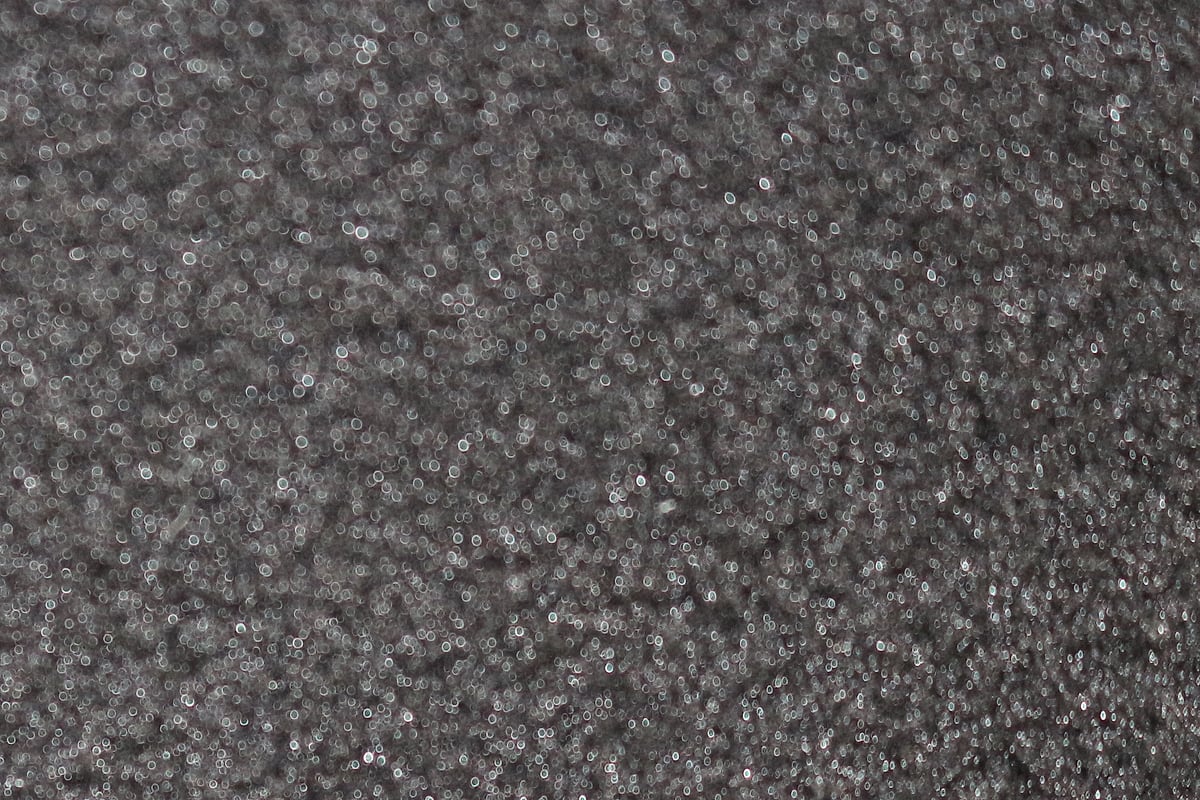
Polar Fleece

Polar fleece
4 fabrics

A napped, insulating family made by knitting 100% polyester yarn and brushing one or both faces. The air pockets of the napped surface trap heat; it is warm despite being light, and dries fast. Differences within the family come from weight (micro/200/300 tiers), fibre fineness, one- or two-sided brushing and anti-pill finishing.

Polar Fleece

Polar fleece

180400 g/m²

  • Mechanical stretch
Composition
100% polyester (recycled rPET versions common).
Knit
After the circular-knit ground, the face(s) are raised and sheared on a brushing machine; usually double-brushed, soft napped texture.
Hand
Soft, napped, lofty; a raised, warm-feeling surface, medium-soft drape.
Use
Fleece jackets/tops · inner lining/mid-layer · blankets/home textile · beanies-gloves
Strength
The economical, durable classic insulator — high warmth for its weight and fast drying.
Watch for
Low-grade/unfinished fleece can pill and flatten over time; it is wind-permeable, so wind protection as an outer is limited.
Highlights
  • Good insulation (trapped air)
  • Light for its weight
  • Fast drying, low moisture retention
  • Colourfastness and wash stability

Anti-Pill Fleece

Anti-pill fleece

200340 g/m²

  • Mechanical stretch
Composition
100% polyester; standard fleece + an anti-pill (anti-pilling) surface finish.
Knit
On the raised, sheared fleece ground, an anti-pill treatment / singe-shear (often one-sided) fixes the nap tips.
Hand
Soft napped like standard fleece; the surface stays smoother/more even and dulls less with use.
Use
Frequently-washed fleece jackets/tops · kidswear · corporate/promo fleece · blankets
Strength
Keeps standard fleece’s warmth while staying smooth and pill-free even after many washes and abrasion.
Watch for
Anti-pill is a finish, not absolute; some pilling can still appear under very aggressive use; durability depends on application quality.
Highlights
  • High resistance to pilling in wash/abrasion
  • Good insulation
  • Holds its surface look for longer
  • Fast drying, dimensional stability

Microfleece

Microfleece

100200 g/m²

  • Mechanical stretch
Composition
100% polyester; finer (micro) filament/yarn than standard fleece.
Knit
A dense ground knit from fine microfilament yarn, brushed for a fine, short, dense nap (usually double-sided, low loft).
Hand
Very soft, fine, low-loft and flexible; close to the skin, light, breathable.
Use
Inner lining/mid-layer · light sport-outdoor tops · baby-kidswear
Strength
A very light, flexible yet moisture-managing fabric — the ideal thin mid-layer.
Watch for
Being fine/low-loft, its standalone insulation is below thick fleece; treat it as a mid/lining layer, not the main warmth layer.
Highlights
  • Very light and fine (low loft)
  • Breathable, packable
  • Fast drying, moisture management
  • Fine nap → good warmth for its weight

Double-Faced (Double-Brushed) Fleece

Double-faced fleece

200320 g/m²

  • Mechanical stretch
  • Double-faced
Composition
100% polyester.
Knit
After the circular-knit ground, both face and back are separately raised and sheared, giving an even, neat nap on both sides.
Hand
Both faces soft and napped; the same softness whichever side meets the skin; balanced, full.
Use
Unlined fleece jackets/tops (back shows) · reversible garments · blankets/wraps
Strength
With equally soft faces it needs no extra lining and keeps a consistent look in reversible designs.
Watch for
Standard fleece is usually double-brushed too; “double-faced” mainly denotes a deliberately balanced/finished nap on both sides. Both napped faces double the pilling-prone area (anti-pill recommended).
Highlights
  • Equal soft nap on both faces
  • Two-face air trapping → good insulation
  • Reversible use
  • Surface/colour consistent on both sides

Sport & Technical

Sport & Technical
4 fabrics

A set of polyester performance knits foregrounding moisture management, fast drying, durability and dimensional stability. The same raw material (polyester filament) gives very different function across knit and yarn fineness — from flat single jersey to double-knit interlock, from wicking dry-fit to a microfiber surface. This family gathers the performance-tuned (yarn + finish) cousins of structures found in the other families.

Single Jersey (Polyester)

Single jersey (performance)

120200 g/m²

  • Mechanical stretch
Composition
100% polyester single-knit; cotton/elastane blends exist, but pure PES is the most common sport variant.
Knit
A single-bed single-jersey knit; flat V-stitch face, loop-rib back (asymmetric).
Hand
Fine, fluid and elastic; soft and light; smooth, draping.
Use
Tees · tanks · light sport tops · jersey linings
Strength
The base of high-volume sport/promo basics — light, fast-drying and economical to make.
Watch for
Edges curl; without elastane pure PES has no permanent structural stretch; opacity is low at light weights. Same structure as the Single Jersey family (performance-tuned by yarn/finish).
Highlights
  • Light and breathable
  • Good mechanical stretch (esp. widthwise)
  • Fast drying, low moisture retention
  • Economical, high production efficiency

Same structure: Single Jersey family

Moisture-Wicking Performance Knit

Moisture-wicking performance knit

130220 g/m²

  • Mechanical stretch
Composition
Mostly 100% polyester; often ~80–90% PES / 10–20% elastane (with-spandex) for stretch and fit.
Knit
A functional knit engineered for sweat transport (not flat jersey; usually piqué, micro-mesh or channelled interlock); moves sweat to the outer face by capillary action, usually backed by a wicking finish.
Hand
Dry, light, napless; doesn’t cling even when wet; lightly textured by structure.
Use
Training/running tees · sport tanks · performance polos · jerseys · leggings-shorts (with elastane)
Strength
Pulls sweat off the skin and evaporates it fast to stay dry and cool in intense activity — a clear edge over cotton.
Watch for
Wicking depends heavily on knit and finish; a finish-free “dry fit” claim may not match real performance. Pure PES can hold odour more than cotton. Pure PES stretches mechanically; the 10–20% elastane version is truly elastic.
Highlights
  • High wicking and fast drying
  • Very low moisture retention (~0.4%)
  • Good breathability (esp. mesh/open builds)
  • Stretch and fit in the elastane version

Microfiber Polyester Knit

Microfiber polyester knit

85180 g/m²

  • Mechanical stretch
Composition
100% polyester microfiber — filament fineness below 1 denier (microdenier, ~0.5 dpf); far finer than standard PES (1.5–4 dpf).
Knit
A dense knit from very fine filament yarn (flat/jersey or warp/tricot based); often given a sueded/brushed “peach skin” hand.
Hand
Silky-soft, very smooth; with peach-skin finish a velvety matte touch; light and draping.
Use
Soft-hand tees/tops · athleisure · light shirting (peach skin) · lining
Strength
Microfilament fineness gives unique softness and moisture spreading over a wide surface — a near-luxury touch.
Watch for
Fine filament raises abrasion and heat/iron sensitivity; dense builds reduce breathability in some versions. “Microfiber” is only correct for <1 dpf filament.
Highlights
  • Silky/peach-skin hand
  • High filament surface area → good moisture spreading
  • Light, fast drying
  • Dense build: wind-resistant, smooth print face (traded off against breathability)

Interlock (Double-Knit Polyester)

Interlock (double-knit)

160250 g/m²

  • Mechanical stretch
  • Double-faced
Composition
100% polyester double-knit; cotton and elastane blends also exist.
Knit
A double-knit where both faces’ loops interlock on two needle beds; identical faces (symmetric), flat, smooth.
Hand
Fuller, more stable and opaque than single jersey; both faces smooth, draping but bodied; no curling.
Use
Polos/tees · sport tops/joggers · fitted dresses · babywear
Strength
A double-knit that is more stable, opaque and durable than single jersey — both faces usable.
Watch for
Thicker/heavier than jersey at equal weight; not ideal for very thin summer pieces; stretch (elastane-free) is more limited than jersey. Same structure as the Interlock family.
Highlights
  • Identical faces, no curling
  • More stability and opacity than jersey
  • Moderate stretch and good recovery
  • Pill/abrasion-resistant, durable

Same structure: Interlock family

Raschel

Warp knit
5 fabrics

Raschel knitting is a warp-knitting technique in which the yarns are looped in the vertical warp direction; it is technically a different route from the circular/weft knitting behind the "Mesh & Net" family on this site. The structure suits open-pore, structural fabrics such as tulle, athletic mesh/power-mesh, eyelet, jacquard and elastane power net. We run this work on 9 Raschel machines at a capacity of roughly 6 tons a day, and we are cited as a reference in this area. In short, this family is the warp-knit sibling of the weft-knit Mesh & Net family — building the same open structure by a different technique.

Athletic Mesh (Raschel)

Athletic mesh (warp knit)

110170 g/m²

  • Mechanical stretch
  • Mesh / open
Composition
100% polyester (PES); elastane-free mechanical give. A ~88–92% PES / 8–12% elastane variant can be knitted for light recovery when needed.
Knit
An open mesh built by warp knitting on a Raschel machine: unlike weft/circular knitting, the yarns loop in the vertical warp direction, which yields a holed structure that resists curling at the edges, won’t ladder and stays dimensionally stable. Not to be confused with the weft-knit Athletic Mesh in our catalogue — though similar in look, it is a technically different knit family.
Hand
Light, dry and airy; the pores are clearly felt, the structure holds its form more firmly than weft mesh, and it doesn’t cling to the skin.
Use
Sport tops/lining · footwear & bag mesh · inner lining
Strength
Its warp-knit structure pairs high airflow with resistance to laddering and edge curl, holding its shape under use.
Watch for
Elastane-free mechanical stretch is limited; close-fitting cuts that need true recovery call for the elastane variant.
Highlights
  • High air permeability
  • Hydrophobic PES: fast drying
  • Warp structure: ladder-free, no edge curl
  • Light, good dimensional stability

Same structure: Mesh & Net family (weft knit)

Tulle / Fine Net

Tulle / fine net

60110 g/m²

  • No stretch
  • Mesh / open
Composition
100% polyester (PES); knitted from fine filament yarn, with no elastane for stretch (an optional elastane variant is a separate construction).
Knit
A warp-knitted tulle made on a Raschel machine: the yarns loop in the vertical warp direction to form an open, non-slip net. This differs technically from the site’s mesh family — that family is a weft (circular) knit, whereas tulle is built in the warp direction, so its pores are even and its edges resist running.
Hand
Very light and fine; sheer to semi-sheer, paper-thin yet tear-resistant; a dry, crisp hand with almost no stretch.
Use
Lining · skirt/dress tulle · decorative layer · accessories
Strength
A very light, sheer and dimensionally stable warp-knit tulle — a fine yet evenly porous base for linings, decorative layers and tulle applications.
Watch for
Its non-stretch, fine structure is not opaque on its own and is unsuited to fitted pieces or anywhere stretch is needed.
Highlights
  • Very light and sheer
  • Even open pores (net)
  • Dimensionally stable, no stretch
  • Edges neither run nor curl

Eyelet Raschel

Eyelet warp knit

130200 g/m²

  • Mechanical stretch
  • Mesh / open
Composition
100% polyester (PES); mechanical give. An elastane variant can be knitted when fit and recovery are required.
Knit
A Raschel warp-knit fabric, where yarns are looped in the vertical warp direction; regular eyelet/hole rows deliberately opened into the pattern give a textured, breathable surface. This is technically different from the Mesh & Net family on the site — that family is weft (circular) knit, whereas this structure runs in the warp direction, so the holes are more stable and more resistant to snagging and laddering.
Hand
Mid-weight, structured and airy; the holes are felt by hand and the surface is raised; stable in the warp direction, with a bodied rather than loose drape.
Use
Sport/casual outerwear · breathable lining · structured decorative panel
Strength
Combines the stability of warp knitting with an eyelet surface: a breathable yet ladder-resistant, structured mid-weight base.
Watch for
Elastane-free pure PES only stretches mechanically, with no true recovery; the open structure lowers opacity and may need a lining.
Highlights
  • Breathable eyelet/hole structure
  • Warp-knit: good dimensional stability, edges don’t ladder
  • Hydrophobic PES: fast drying
  • Mid-weight, structured hand

Raschel Jacquard

Raschel jacquard

150260 g/m²

  • Mechanical stretch
  • Jacquard
Composition
100% polyester (PES); matt or bright filament by warp-yarn quality, with a recycled (rPET) variant also possible.
Knit
A warp-knitted surface made on a Raschel machine; the yarns loop vertically along the warp direction in parallel, not across the width. A jacquard mechanism selects needles to the pattern, building geometric/decorative relief motifs straight into the ground. This is technically different from the site’s Mesh & Net family, which is circular weft knitting — Raschel is produced on a warp-knitting machine.
Hand
Structured and consistent; a stable, low-stretch surface with light relief that follows the density of the jacquard motif. The hand is less slippery and more dimensionally stable than weft knits.
Use
Decorative outerwear · curtains and home textiles · structured panels
Strength
A structured base that knits the pattern straight into the warp, offering high dimensional stability and a decorative relief surface.
Watch for
The warp-knit structure has little stretch and is unsuitable for fitted, stretchy pieces; since the pattern is set up on the machine per customer request, it requires a minimum production run.
Highlights
  • The pattern is knitted in, not printed
  • Warp structure: high dimensional stability, low laddering
  • Geometric/decorative relief surface
  • 100% PES base: colourfastness and fast drying

Power Net (Elastane Raschel)

Power net (elastane warp knit)

150240 g/m²

  • 4-way stretch
  • With elastane
  • Mesh / open
Composition
Polyester-based: ~72–82% polyester / 18–28% elastane (spandex); the elastane ratio is tuned to the support level.
Knit
Made on a Raschel warp-knitting machine: yarns are looped in the vertical warp direction with elastane bound in on every course. This is technically different from the site’s mesh & net family (which is weft/circular knit); warp knitting gives power net high dimensional stability and run resistance.
Hand
Firm, full and recovering; smooth flat surface with a clear support feel; stretches 4-way and snaps back strongly.
Use
Swimwear · corsetry/shapewear · sports lining/support panel
Strength
A recovering warp-knit base that combines high support and 4-way stretch with dimensional stability.
Watch for
The high elastane ratio makes the fabric firm and less breathable; excess heat/chlorine fatigues the elastane over time.
Highlights
  • 4-way stretch and strong recovery
  • High hold/support (compression)
  • Good dimensional stability, run-resistant
  • Chlorine/sunscreen-resistant PES base

Same structure: Mesh & Net family (weft knit)

Weight, composition and color options are defined per request; contact us for samples. Weight ranges are typical industry values; exact figures are confirmed to order.

WEIGHT — TYPICAL / ON REQUEST · COMPOSITION — POLYESTER-BASED · FINISHING — DYEING / PRINTING / FUNCTIONAL

Comparison

10 families, 39 fabrics — one table.

Compare all 39 fabrics in one table
Fabricg/m²StretchUseStrengthWatch for
Single Jersey
Polyester Single Jersey120–200Mechanical stretchT-shirts · innerwear · jerseysThe economical single-face base — light, fast-drying and the best surface for sublimation.Single-face edges curl; opacity is weak at low weights.
Polyester Single Jersey with Elastane160–2502-way stretchActivewear · fitted tees · sports innerwearThe stretch single-face base for fitted pieces that must move and snap back.A single elastane end is usually 2-way (not 4-way); excess heat/chlorine fatigues elastane.
Polyester French Terry (single-jersey base)200–330Mechanical stretchSweatshirts · hoodies · joggersSoft loop-backed, bodied and warm — the mid-heavy base for sweats and hoodies.Back loops are uncut (not napped like fleece); heavy weights aren’t for hot climates. Same structure as the French Terry family.
Piqué
Polyester Piqué170–240Mechanical stretchPolo shirts · corporate/promo · golf topsThe classic polo cloth — shape-holding, fast-drying and very print-friendly.Less breathable than cotton piqué; sensitive to direct heat.
Polyester Piqué with Elastane180–2402-way stretchStretch polos · slim-fit sport tops · trainingA performance piqué that hugs the body and keeps its shape with stretch and recovery.Elastane suffers from high heat/chlorine/bleach; most qualities are 2-way (4-way needs special builds).
Mini Piqué165–200Mechanical stretchLight/premium polos · golf-tennis tops · summer sportA more refined, lighter piqué with a fine cell texture — ideal for summer polos.Lighter, so it sits less structured/opaque; can be semi-sheer at very low weights.
Jacquard Piqué180–260Mechanical stretchPatterned/collection polos · club jerseys · premium uniformsKnits the motif into the cloth for a print-free, structured look.Long reverse floats in multi-colour patterns can snag; slower and costlier to produce than plain piqué.
Rib
Polyester Rib Knit (1x1 / 2x2)160–300Mechanical stretchCollar/cuff/waistband trims · hem & cuff ribbing · ribbed topsA non-curling channelled structure that hugs the body with high crosswise stretch and natural recovery.Without elastane, heavy weights can slacken over repeated stretching; lengthwise stretch is low.
Polyester Rib Knit with Elastane190–3002-way stretchHigh-turn cuffs/collars/waistbands · fitted bodies/blouses · sport trimsElastane strengthens the rib’s crosswise stretch and markedly improves shape retention.Elastane is sensitive to heat and long-term laundering; elasticity can fade over time at high temperatures.
Interlock (smooth double-knit)180–300Mechanical stretchInnerwear · smooth tees/tops · outer-layer liningsA double-knit giving high dimensional stability, even twin faces and better recovery than plain rib.Stretches notably less than rib; it is a smooth-faced double-knit (not ribbed) and is less suited to tight binding than rib. Same structure as the Interlock family.
Interlock
Polyester Interlock170–260Mechanical stretchPromo/team tees (sublimation) · performance tops · polosA non-curling, double-faced, opaque and stable base — easy to print and sew.Without elastane, stretch/recovery is limited; the drape is stiffer than single jersey.
Polyester Stretch Interlock with Elastane180–3004-way stretchLeggings · sports bras/bodysuits · yoga/performance topsStrong multi-direction stretch and shape retention via elastane — ideal where compression is needed.Elasticity can fade with heat/chlorine over time; can sheer when stretched at low weights.
Ponte di Roma (Punto di Roma) Double Knit270–3602-way stretchStructured dresses/skirts/jackets · bodied trousers · winter topsA thick, stable, shape-holding double-face body — a strong base for structured, opaque pieces.Heavy, warm and low-drape due to weight; not for light summer pieces. (Technically a sibling double-knit, not true interlock.)
French Terry
Polyester French Terry180–330Mechanical stretchSweatshirts · hoodies · joggers · mid-season topsLoop-back balances breathability with light warmth; polyester adds durability and fast drying.Pure-PES French terry is less common than cotton and can feel cooler/more synthetic; lacks cotton’s next-to-skin softness.
Brushed (Fleece-Backed) Polyester French Terry240–360Mechanical stretchWinter sweatshirts · brushed hoodies · fleece-backed joggers · loungewearA brushed back delivers clear softness and warmth without adding much weight.The napped surface can flatten/pill over time; polyester pile may pill more visibly than cotton.
Polyester French Terry with Elastane210–3202-way stretchActive/slim sweats-hoodies · stretch joggers · athleisureElastane adds body-hugging stretch and shape retention to French terry — less bagging at knee/elbow.Elastane can degrade with heat/chlorine; wrong wash/dry reduces stretch; mostly 2-way.
Melange (Heather) Polyester French Terry180–330Mechanical stretchMelange sweatshirts · grey-melange hoodies · joggers · daily topsMelange yarn gives a richer, grainier look than solid dye and disguises small stains/wear.Lot-to-lot tone consistency can be hard since colour comes from the yarn; it affects only the look, not warmth/durability.
Three-thread Fleece
Three-thread Fleece (polyester)280–380No stretchSweatshirts · hoodies · jogger sets · winter basicsWarmer and fuller than two-thread — the bodied base of a heavy winter sweatshirt.100% PES three-thread is less common than cotton/blend; next-to-skin breathability/absorbency trails cotton, with possible static and odour retention.
Brushed-back Three-thread Fleece300–400No stretchWinter hoodies/sweatshirts · heavy joggers · fleece-lined comfortwearThe brushed back delivers the most warmth and softness — the family’s warmest, plushest option.Brushing raises pilling and nap-loss risk over time; the napped back can lengthen drying time.
Unbrushed Three-thread Fleece280–360No stretchMid-season sweatshirts/hoodies · lighter joggers · spring-autumn dailyIts napless flat back gives low pilling and a clean inner look — balanced for mid-season.Being unbrushed it warms less; the back looks more bare and won’t match brushed plushness.
Three-thread Fleece with Elastane300–4002-way stretchFitted joggers · shape-defined hoodies · athletic-leisureAdds comfort stretch and recovery to three-thread warmth and fullness — a fitted, mobile shape.Elastane three-thread is relatively rare; usually 2-way; elastane can fatigue under high-heat care.
Mesh & Net
Sports Net / Eyelet Mesh110–160Mechanical stretchFootball/basketball jerseys · sport shorts · vent panelsThe benchmark for high-tempo sportswear needing maximum airflow and lightness.Large holes reduce coverage (a lining may be needed); big openings are prone to snagging/laddering.
Bird’s-eye Mesh (mock mesh)135–200Mechanical stretchPerformance polos/tees · team/corporate sport · training topsThe textured mesh that best balances air permeability with a clean, corporate look.Not as cool as full open net; the dot texture can show slight shading in deep colours.
Breathable Micro Mesh (lining)80–130Mechanical stretchLining (jacket/swim/short liners) · light summer jerseys · sports innerwearHigh airflow at very low weight — the go-to light lining and panel mesh.Being fine/light, durability and coverage as a standalone outer are limited; delicate to snags.
Spacer (3D sandwich) Mesh220–350Mechanical stretchPadded sport panels/outerwear details · shoe uppers/padding · backpack back panelsBreathable cushioning without foam — it unites structure, padding and airflow in one fabric.Heavy and bulky; low in-plane stretch — recovery comes mostly from compression/loft; not for thin, fluid-draping garments.
Jacquard Mesh150–250Mechanical stretchBranded/patterned jerseys · performance tops · body-mapping panelsUnites visual pattern and functional airflow in one knit — character without separate print or panels.Jacquard is more complex → higher cost and lead time; coverage/weight vary locally across patterned hole areas.
Polar Fleece
Polar Fleece180–400Mechanical stretchFleece jackets/tops · inner lining/mid-layer · blankets/home textile · beanies-glovesThe economical, durable classic insulator — high warmth for its weight and fast drying.Low-grade/unfinished fleece can pill and flatten over time; it is wind-permeable, so wind protection as an outer is limited.
Anti-Pill Fleece200–340Mechanical stretchFrequently-washed fleece jackets/tops · kidswear · corporate/promo fleece · blanketsKeeps standard fleece’s warmth while staying smooth and pill-free even after many washes and abrasion.Anti-pill is a finish, not absolute; some pilling can still appear under very aggressive use; durability depends on application quality.
Microfleece100–200Mechanical stretchInner lining/mid-layer · light sport-outdoor tops · baby-kidswearA very light, flexible yet moisture-managing fabric — the ideal thin mid-layer.Being fine/low-loft, its standalone insulation is below thick fleece; treat it as a mid/lining layer, not the main warmth layer.
Double-Faced (Double-Brushed) Fleece200–320Mechanical stretchUnlined fleece jackets/tops (back shows) · reversible garments · blankets/wrapsWith equally soft faces it needs no extra lining and keeps a consistent look in reversible designs.Standard fleece is usually double-brushed too; “double-faced” mainly denotes a deliberately balanced/finished nap on both sides. Both napped faces double the pilling-prone area (anti-pill recommended).
Sport & Technical
Single Jersey (Polyester)120–200Mechanical stretchTees · tanks · light sport tops · jersey liningsThe base of high-volume sport/promo basics — light, fast-drying and economical to make.Edges curl; without elastane pure PES has no permanent structural stretch; opacity is low at light weights. Same structure as the Single Jersey family (performance-tuned by yarn/finish).
Moisture-Wicking Performance Knit130–220Mechanical stretchTraining/running tees · sport tanks · performance polos · jerseys · leggings-shorts (with elastane)Pulls sweat off the skin and evaporates it fast to stay dry and cool in intense activity — a clear edge over cotton.Wicking depends heavily on knit and finish; a finish-free “dry fit” claim may not match real performance. Pure PES can hold odour more than cotton. Pure PES stretches mechanically; the 10–20% elastane version is truly elastic.
Microfiber Polyester Knit85–180Mechanical stretchSoft-hand tees/tops · athleisure · light shirting (peach skin) · liningMicrofilament fineness gives unique softness and moisture spreading over a wide surface — a near-luxury touch.Fine filament raises abrasion and heat/iron sensitivity; dense builds reduce breathability in some versions. “Microfiber” is only correct for <1 dpf filament.
Interlock (Double-Knit Polyester)160–250Mechanical stretchPolos/tees · sport tops/joggers · fitted dresses · babywearA double-knit that is more stable, opaque and durable than single jersey — both faces usable.Thicker/heavier than jersey at equal weight; not ideal for very thin summer pieces; stretch (elastane-free) is more limited than jersey. Same structure as the Interlock family.
Raschel
Athletic Mesh (Raschel)110–170Mechanical stretchSport tops/lining · footwear & bag mesh · inner liningIts warp-knit structure pairs high airflow with resistance to laddering and edge curl, holding its shape under use.Elastane-free mechanical stretch is limited; close-fitting cuts that need true recovery call for the elastane variant.
Tulle / Fine Net60–110No stretchLining · skirt/dress tulle · decorative layer · accessoriesA very light, sheer and dimensionally stable warp-knit tulle — a fine yet evenly porous base for linings, decorative layers and tulle applications.Its non-stretch, fine structure is not opaque on its own and is unsuited to fitted pieces or anywhere stretch is needed.
Eyelet Raschel130–200Mechanical stretchSport/casual outerwear · breathable lining · structured decorative panelCombines the stability of warp knitting with an eyelet surface: a breathable yet ladder-resistant, structured mid-weight base.Elastane-free pure PES only stretches mechanically, with no true recovery; the open structure lowers opacity and may need a lining.
Raschel Jacquard150–260Mechanical stretchDecorative outerwear · curtains and home textiles · structured panelsA structured base that knits the pattern straight into the warp, offering high dimensional stability and a decorative relief surface.The warp-knit structure has little stretch and is unsuitable for fitted, stretchy pieces; since the pattern is set up on the machine per customer request, it requires a minimum production run.
Power Net (Elastane Raschel)150–2404-way stretchSwimwear · corsetry/shapewear · sports lining/support panelA recovering warp-knit base that combines high support and 4-way stretch with dimensional stability.The high elastane ratio makes the fabric firm and less breathable; excess heat/chlorine fatigues the elastane over time.
Dyehouse

Same weight, the colour you want.

We dye the cloth in our own house: the lot matches the sample, and the colour holds tone to tone and batch to batch.

Yarn to fabric, dyed and finished to spec.

Frequently asked questions

What yarns do you use?

Our production is built on a polyester base yarn. In addition to pure polyester, we offer blends combining polyester with fibers such as cotton, viscose, or elastane, depending on the intended use and the handle you want. Yarn selection is guided by the durability, stretch, and comfort your fabric needs to deliver.

Can we request a custom weight and color?

Yes. We can produce fabrics to the specific weight and color your project requires. For color, you can share your own reference (a Pantone code or a physical sample), and we will confirm the target weight range together based on the fabric's end use.

What types of knit fabric do you produce?

We produce common knit structures such as single jersey, interlock, rib, and fleece, along with a range of patterns and surfaces. We are happy to recommend the most suitable construction by considering the end product and the performance you expect from the fabric.

Can we get a sample before ordering?

Of course. Before moving to bulk production, we offer a sampling process so you can evaluate the fabric's handle, color, and quality. Once you send your sampling request, we prepare examples matching the desired specifications and submit them for your approval.

Share a brief for collection and custom development.

We set weight, composition and finishing to the job at hand. We send a sample first, then we run it.

Request a sample
  • ISO + OEKO-TEX
  • Within 1 business day we get back to you