
Brushed, Unbrushed and Fleece: Where Warmth Comes From in Polyester Knits
Two-thread terry, three-thread fleece and polar reach warmth differently — through trapped air and surface nap. The loop-back / brushed / fleece difference, and the truth about pilling.
Warmth reaches a knit two ways: trapped air and surface nap. Two-thread terry (French terry), three-thread fleece and polar reach the same 'keep-warm' goal through different structures.
Loop-back, brushing and fleece
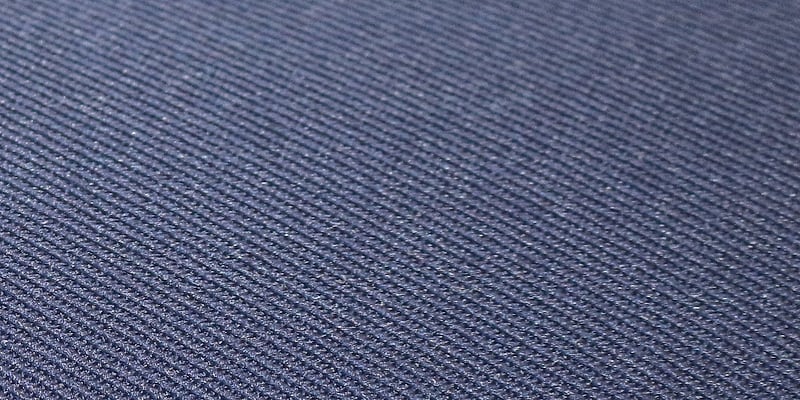
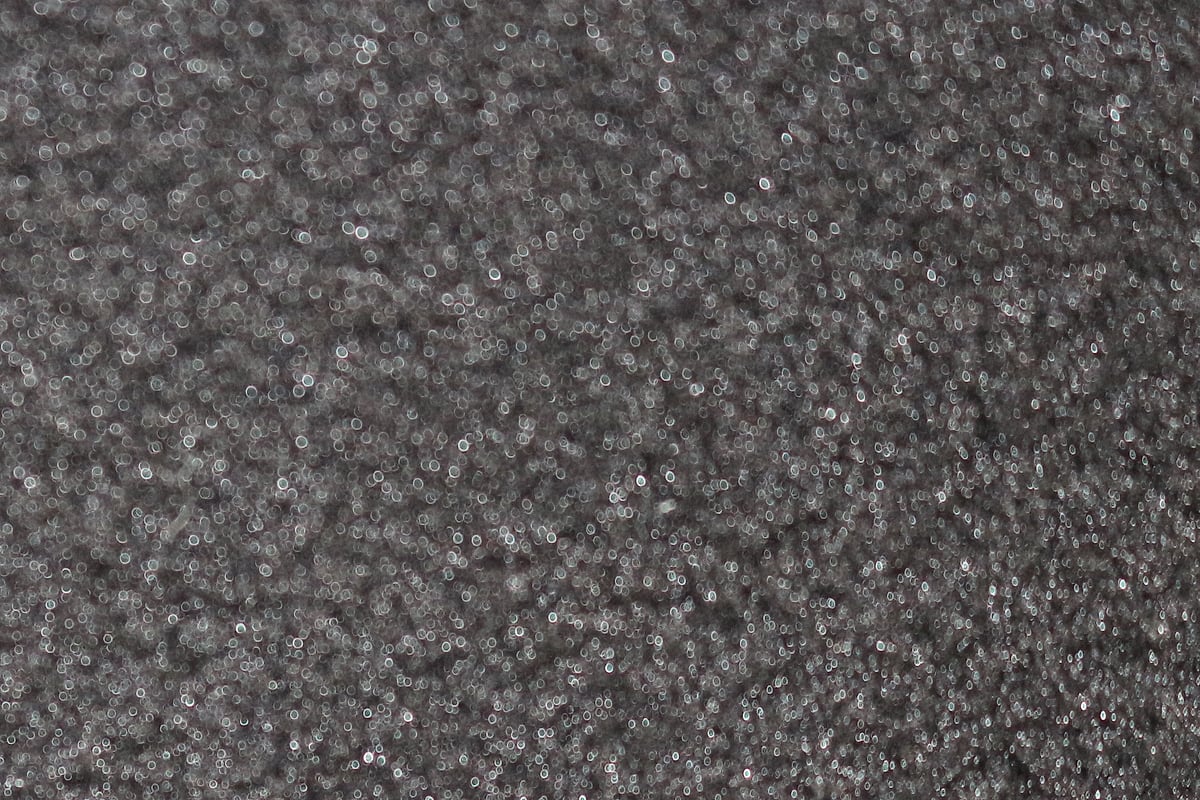
Two-thread French terry carries uncut loops on the back; it is soft even unbrushed, but napless. Brushing (raising) opens those loops — or the fleece yarn in three-thread — into a soft, plush back, increasing air pockets and warmth. Polar is a separate family where the yarn is knitted and then one or both faces are fully napped, giving the highest nap/warmth ratio for the weight.
Warmth, weight and nap
| Fabric | Typical g/m² | Back face | Warmth |
|---|---|---|---|
| Two-thread (unbrushed) | 180–330 | Terry loop, napless | Medium |
| Brushed French terry | 240–360 | Brushed, soft | Medium-high |
| Unbrushed three-thread | 280–360 | Flat fleece-float, napless | High (from body) |
| Brushed three-thread | 300–400 | Brushed, plush | Highest |
| Microfleece | 100–200 | Fine nap, two-sided | Light (mid-layer) |
| Polar fleece | 180–400 | Napped, two-sided | High (for the weight) |
The pilling truth
Any napped surface is prone to pilling and nap loss over time; polyester pile can show this more than cotton. An anti-pill finish reduces but does not eliminate the risk. Unbrushed options give lower pilling and a cleaner inner look; brushed options are softer and warmer — the choice depends on wash frequency and desired hand.
Frequently asked questions
Where does the warmth difference between brushed, unbrushed and fleece come from?
Warmth comes from air trapped by the surface pile. Unbrushed (loop-back) two-thread is the flattest and thinnest; brushing raises the reverse face to trap air; fleece is napped on both faces and gives the highest insulation.
Does brushed fabric pill more?
A napped surface is more prone to pilling under abrasion; an anti-pilling finish and the right yarn choice markedly reduce this risk.